
Pipes move oil from the hole in the ground to processing sites and beyond, and the choice of pipe material has a direct bearing on safety, cost, and uptime. Engineers and field crews pick materials with an eye on pressure rating, chemical content of the fluids, ambient and operating temperature, and the ease of joining or repairing sections in the field.
The trade offs involve strength, weight, corrosion behaviour, and how the line will be inspected and maintained over years of service. The five materials below appear often in extraction and transport work and each one brings a distinct mix of advantages and limits.
1. Carbon Steel Pipes
Carbon steel is the workhorse of oilfield piping, widely used for flowlines, gathering lines, and long distance trunk pipes due to its high strength and wide range of available grades. It is relatively affordable, can be welded on site by trained crews, and accepts protective coatings or internal linings to fight wear and chemical attack.
The supply chain for carbon steel is mature which helps keep lead times short and replacement parts common when the unexpected happens. When weight matters, thicker wall sections and larger diameters still make carbon steel the pragmatic choice for many projects.
Corrosion is the main enemy for carbon steel and operators rely on a layered defense that mixes coatings, corrosion inhibitors, cathodic protection, and regular inline inspection runs.
Where fluids contain water, acids, or hydrogen sulfide, steel will corrode, corroding under deposits or in crevice spots unless the system is actively managed.
Pigging and scheduled replacements form part of a lifecycle plan that keeps lines in service longer while monitoring metal loss trends. In short, carbon steel wins on cost and strength but asks for active corrosion control and careful monitoring.
2. Stainless Steel Pipes
Stainless steel earns attention when the fluid mix includes corrosive species that would rapidly attack plain steel, or when cleanliness and low contamination risk are priorities in lifted streams. Grades such as 316 offer higher resistance to chloride and sulfide attack and can be the safer pick for certain well fluids and for service that must avoid scale or rust.
The metal is less forgiving when welded and often requires more skilled welders and controlled procedures to keep mechanical properties intact at joints. That extra care adds to cost but it also reduces the need for internal liners or aggressive chemical inhibition.
For sour service where hydrogen sulfide or other aggressive agents are present, some stainless alloys tolerate stress and chemical interplay better than carbon steel, though alloy selection must match the specific temperature and pressure range.
In more demanding environments, engineers may even evaluate an Alloy 825 pipe to handle elevated temperatures and highly corrosive media where standard stainless grades could fall short. Where weight savings and long life without heavy maintenance matter, stainless can be a sound investment that pays off in fewer unplanned digs and lower chemical use.
The downside arrives in upfront cost and in scenarios where small scratches or improper heat treatment can set the stage for local attack. Still, for many applications the trade off makes sense and the metal earns its keep over decades in situ.
3. Ductile Iron Pipes
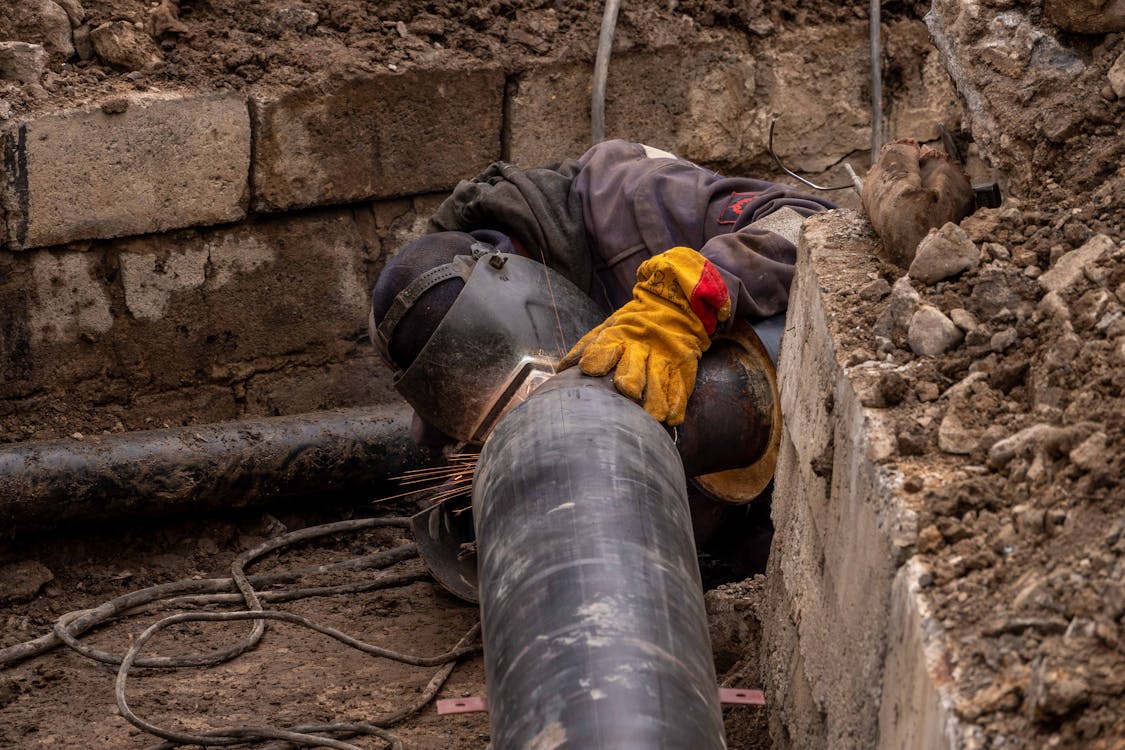
Ductile iron has long been used for water mains and some industrial services and it finds niche use in oil operations for produced water transfer and some low pressure surface systems because of its strength and wear resistance.
The material is heavy but highly resistant to external mechanical damage and abrasive slurries, which makes it useful where equipment traffic or rocky trenches pose a risk.
External coatings and linings reduce corrosion risk, and mechanical joining systems allow for relatively fast assembly on site without complex welding rigs. Ductile iron fittings and joints can absorb some misalignment and settlement, which keeps leaks less frequent in rough ground.
The material is less common in high pressure pipeline export systems because weight and fatigue considerations push engineers toward steel or composite solutions for long spans and high tensile loads. It works best where lines are short, operating pressure is moderate, and the focus is on abrasion resistance and toughness under impact.
Operators sometimes choose ductile iron when repair speed and simple replacement are valued over weight and long distance tensile properties. In the end, it is a useful tool in the toolbox for specific scenarios and plays a supporting role in broader field networks.
4. High Density Polyethylene Pipes
High density polyethylene offers an attractive alternative for low to medium pressure lines that carry produced water, condensate, or light oil in settings where corrosion is the key headache. The plastic is light, resistant to many chemical attacks, and joins by heat fusion which produces leak free seams when done properly by certified fusion operators.
The flexibility of the material allows it to follow uneven terrain with fewer fittings and to absorb some ground movement without cracking, which cuts installation time and fitting counts. Repair methods can be fast in the field, and the absence of metal means internal corrosion is not a worry.
Temperature and pressure limits are the main trade offs, as polyethylene softens and creeps under prolonged high temperature or high stress and is less suitable for hot fluids or very long high pressure runs. Where weight and corrosion resistance matter more than ultimate strength, the pipe is a handy choice and can be deployed quickly by crews that know fusion techniques.
It also plays a major role in rehabilitation projects when older metal lines need a new inner sleeve or a parallel bypass that is easier to install. The net effect is often a cost saving in the medium term with lower chemical use and fewer corrosion events to chase.
5. Fiberglass Reinforced Polymer Pipes
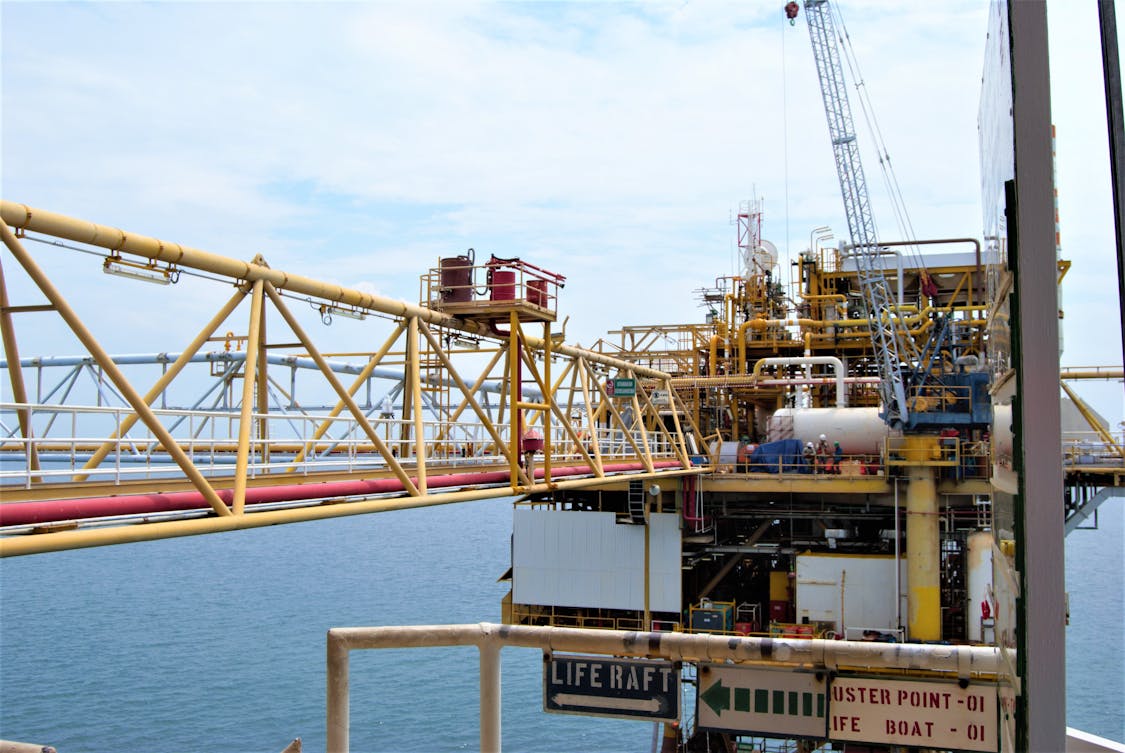
Fiberglass reinforced polymer and glass reinforced epoxy lines present an option when corrosion resistance must be combined with low weight and tailored mechanical properties for offshore platforms and some onshore installations. The material resists many chemical attacks that damage metal and offers a weight to strength ratio that cuts support structure needs in some cases.
Manufacturing methods allow designers to tune thickness and fiber orientation to meet specific pressure and bending needs, which can be handy for odd layouts and off normal geometries. Joining methods range from mechanical flanges to adhesive systems and have matured enough for routine field use when installation teams are trained.
There are limits around impact tolerance and long term creep under high sustained loads that require conservative design margins and careful inspection planning on critical runs. End fittings and connections need attention since mismatches at joints can create stress concentrations that erode the expected life.
When used where its properties match the service profile, the pipe can reduce total weight, cut maintenance related to internal corrosion, and extend intervals between invasive inspections. It is a material choice that rewards thoughtful design and a hands on approach to installation and testing.