
Electrical hazards rank among the silent household threats that rarely make headlines until they cause serious harm. Small changes in daily behavior can cut down the chance of shocks and fires and add years to your wiring and appliances.
A steady routine of quick checks with a few well timed actions turns vague worry into protection. The following habits are easy to adopt and fit into most days without major cost or fuss.
1. Inspect Outlets And Cords Regularly
Take a close look at all visible plugs and cords on a weekly basis, scanning for frayed insulation, bent prongs, discoloration around sockets, and plugs that feel loose when you insert them. If any cable shows exposed wire or heavy wear, pull it out of service and arrange for a replacement or repair, since damaged cords are a common source of heat buildup and ignition.
Also watch for outlets that run warm to the touch or give off a faint burning smell, signs that an internal fault might be present and should be checked without delay. Regular visual checks are low effort and they catch many problems long before a serious incident occurs.
Make it part of a home tidy routine to ensure cords are not trapped under rugs, pinched behind furniture, or run across busy walkways where they can be crushed or worn. Child and pet safety come into play here too, so use outlet covers in areas where curious hands or paws might explore and keep extension cords out of reach.
When unplugging, always grip the plug itself rather than yanking on the cord, a habit that will extend the life of the conductor and its connection points. Small habits like these add up and keep the wiring performing well for years.
2. Use Ground Fault And Arc Fault Protection
Ground fault devices cut power when they detect a difference in current flow that could indicate a shock path, and arc fault devices trip when they sense electrical arcing that could start a fire. Install ground fault protection in bathrooms, kitchens, outdoor outlets, basements, and garages where moisture and conductive surfaces increase the odds of dangerous leakage.
For bedrooms and living areas, arc fault breakers are a smart upgrade because intermittent arcing can hide inside walls and ignite insulation long before a problem becomes obvious. These protective technologies work silently and can prevent a catastrophic event with a single quick interruption of power.
Set a short monthly habit to push the test button on ground fault outlets and on breaker panels where test functions are provided, because a device that fails to test may not trip when it is needed most. If a breaker trips repeatedly for the same circuit, that action signals an underlying fault and it is wise to seek professional inspection rather than resetting and moving on.
Replacing old two prong outlets with three prong grounded types or adding modern breakers improves safety for older wiring systems. Treat these devices as essential safety gear for the home rather than optional extras.
3. Avoid Overloading Circuits And Power Strips
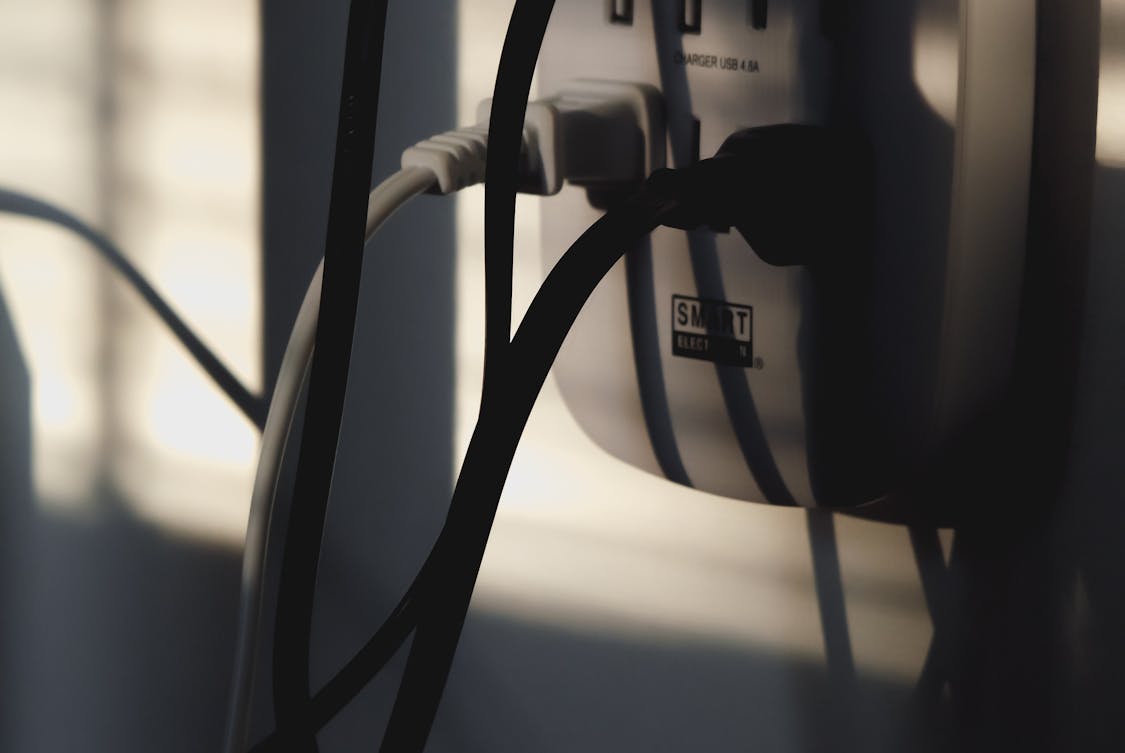
Many fires start when too much current flows through wiring that was never meant to handle a heavy continuous load, so spread high draw appliances across separate circuits rather than clustering them on a single outlet. Common culprits include space heaters, microwave ovens, hair tools, and portable air conditioners when they share the same wall circuit; running two or more of those together often exceeds safe limits.
Choose power strips that include overcurrent protection and surge suppression, and plug only one power strip into a wall outlet rather than chaining multiple strips together. Overuse of extension cords and daisychaining strips creates long runs of wiring that heat up and wear out faster than fixed wiring that is sized and routed correctly.
When you add a heavy appliance to a kitchen or laundry room, take a moment to map out where other loads are connected so you do not unknowingly create an overload scenario. If breakers trip often for everyday loads, that symptom indicates the wiring is close to its capacity and deserves a professional assessment of service size and circuit distribution.
In some cases shifting a high draw device to a different outlet or upgrading a circuit provides much better reliability and lowers the chance of thermal damage. Lay out your power needs then adjust placement and hardware to match the real demands of your household.
Such planning goes hand in hand with understanding electrical compliance requirements in Victoria because load management is a major part of meeting safety expectations.
4. Unplug And Store Small Appliances Safely
Unplug irons, toasters, coffee makers, and similar small devices when they are not in use, especially if those items sit on counters near water or near flammable materials. This habit prevents accidental activation and reduces the time any device spends connected to live power, a simple hedge against faults that develop with age or wear.
Coiling cords without tight knots and storing them so plugs do not rub against sharp edges helps maintain insulation integrity for the long term. Treat cords like tools that deserve care rather than disposable accessories.
When an appliance gives off odd sounds, a persistent hum, or a small puff of smoke, take it out of service immediately and have it inspected or replaced by a qualified technician; continued use in that state increases the odds of fire.
Keep small appliances away from sinks and wet countertops, and avoid running cords across sinks or near dripping pipes where moisture can travel along a sheath. Use dry cloths and a soft brush to remove lint and debris from vents and heating elements before use, since accumulated material warms up fast and can ignite.
5. Schedule Regular Checks With A Licensed Electrician
Homes with older wiring, aluminum conductors, or vintage fuse boxes benefit greatly from a periodic professional review of service panels, grounding schemes, and overall capacity, because unseen deterioration often lives behind walls until an expert finds it.
A licensed electrician can test ground paths, measure load on circuits under normal use, identify improperly installed devices, and recommend sensible upgrades like adding dedicated circuits for heavy appliances.
If you plan a remodel that changes the layout of kitchens or adds living space, involve wiring professionals early so circuits are routed correctly and permits are obtained as needed. Proactive checks protect both safety and the value of your property by preventing avoidable damage.
Make a list of triggers that should prompt a call for professional help, including frequent breaker trips, outlets that spark or smoke, lights that flicker when other appliances start, or outlets that feel noticeably warm after use. Keep documentation of any work performed and the dates of inspections so patterns of wear and failure are easier to spot over years.
When service is required, ask about options that improve long term safety such as upgrading to a modern breaker panel, adding more grounded outlets, or replacing aging cloth insulated wiring. Taking a measured, steady approach to maintenance keeps the electrical system running cleanly and reduces surprises.