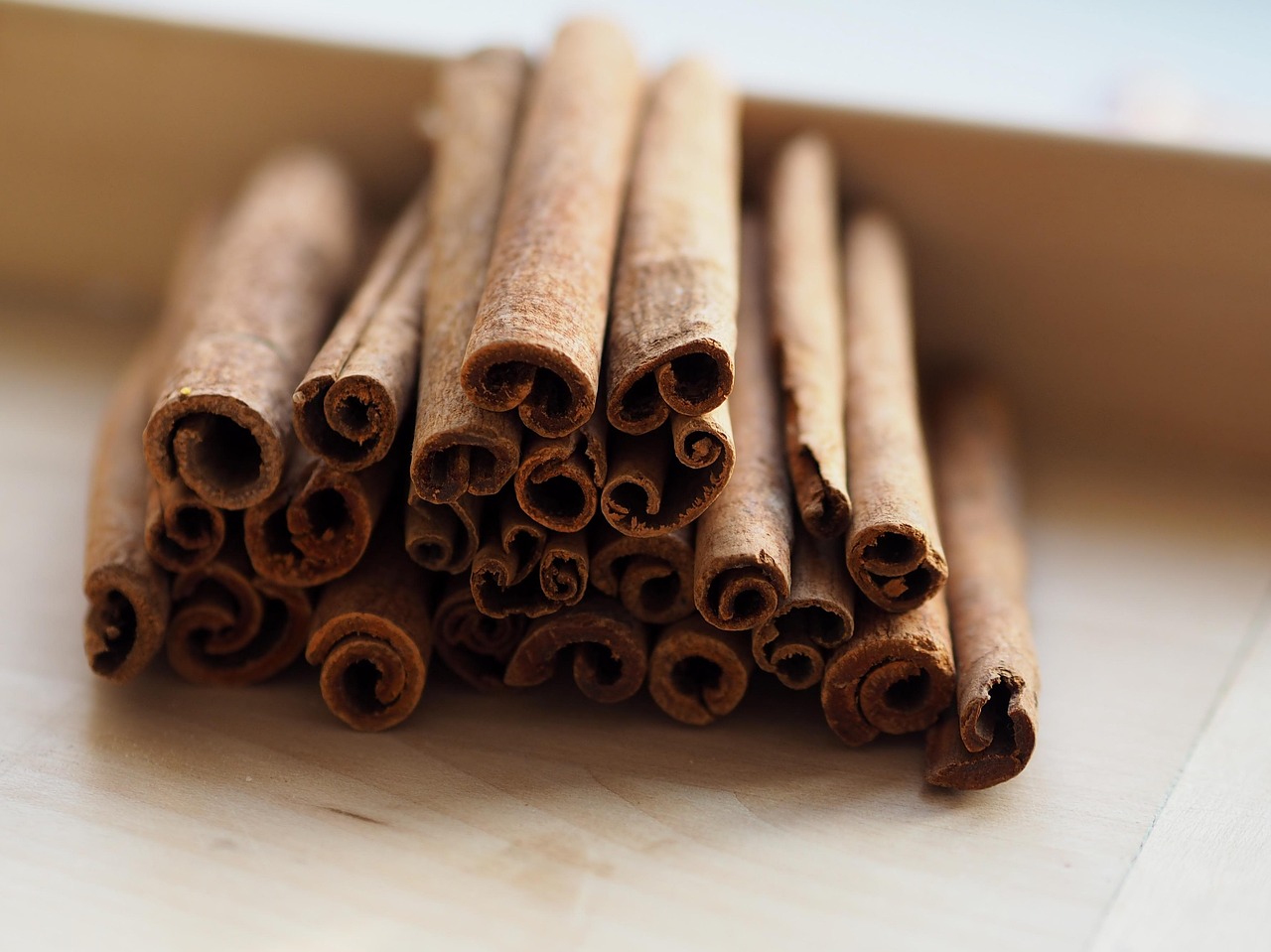

Cinnamon is a pantry classic that can lift both sweet and savory dishes with a single pinch. The label covers distinct species and processing methods that yield noticeable aroma and flavor differences.
Choosing the right type makes a real difference for baking, brewing and savory cooking where balance and intensity matter. The following sections offer clear, user friendly pointers on types, safety, storage and smart buying habits.
Types Of Cinnamon
There are several species sold as cinnamon, each bringing unique characters to the table. True cinnamon comes from Cinnamomum verum, often labeled Ceylon and prized for its delicate floral aroma and lighter color.
Cassia types from Cinnamomum cassia and related species produce stronger, warmer spice notes and thicker quills in stick form that most stores stock. Even when labels look similar, taste and coumarin levels can differ in ways that affect use and health.
How To Tell Real From Fake
Smell is the first and simplest test for quality, as a fresh stick or powder will present warm sweet and woody top notes. Look closely at quills in stick cinnamon to note how many layers and how thin they are, since thinner layers often point to Ceylon style.
As a general rule, the thinner the quills, the higher the grade, so this visual cue can help you spot premium cinnamon quickly.
Powder should be free flowing with no damp clumps and should carry a fresh scent rather than a stale or musty odor. Price and source also matter, as very cheap powder can hide fillers or older stock.
Flavor And Aroma Profiles
Each cinnamon type offers its own balance of warmth, sweetness and fragrant oil notes that shape how it behaves in recipes. Ceylon tends to be softer and more nuanced with subtle floral hints that work well in custards and delicate bakes.
Cassia and Saigon style spices bring a bold peppery bite that stands up to grilled meats and strong coffee. Tasting a pinch raw and then in warm liquid will reveal how heat changes the aroma profile and intensity.
Forms Available For Sale
Ground powder is convenient for baking while whole quills last longer on a shelf and give a cleaner extraction in hot liquids. Cinnamon oil and concentrated extracts deliver potent aroma and should be used sparingly when flavoring candies, beverages or confections.
Chunky bark pieces offered by some vendors are useful for slow stews and long infusions where gradual release is desired. Blended spice mixes can mask individual quality, which makes single ingredient labels a safer choice when selecting cinnamon.
Health And Safety Notes
Cassia varieties often contain higher amounts of coumarin, a compound that can tax the liver when consumed in large doses over long periods. Small amounts used in typical cooking are unlikely to cause harm for most adults and many cuisines use cassia daily in modest quantities.
Anyone taking blood thinning medication or with known liver concerns should consult a health practitioner before adding high daily doses of concentrated cinnamon supplements. Extracts, supplements and essential oils can raise intake rapidly and deserve clear labeling and careful use.
How To Store Cinnamon
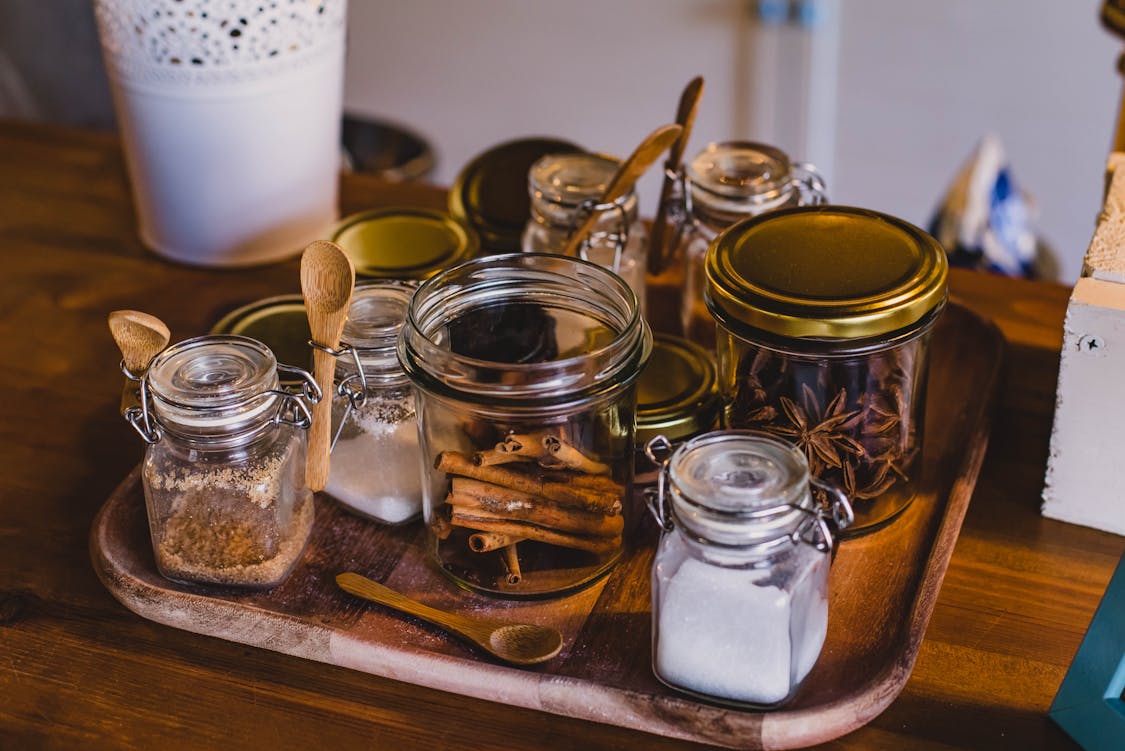
Keep cinnamon away from light, heat and moisture in an airtight container to preserve volatile oils and flavor. Whole sticks last longer than ground powder and can be briefly warmed in a dry pan to refresh aroma before use.
Ground cinnamon benefits from buying in amounts that match consumption, and freezing whole jars can extend life without altering taste when sealed properly. Mark packages with purchase dates to track freshness and prevent stale spice from creeping into the cupboard.
How Much To Buy And Cost Factors
Cinnamon prices vary widely with species origin, processing and the reputation of the brand that sells it. True Ceylon usually commands a premium for its delicate profile and lower coumarin content while cassia is cheaper and more common.
Buy amounts that match use frequency to avoid wasted stale powder and to keep flavors bright in every dish. Purchasing in bulk can lower unit cost but that only pays off when turnover is high and storage follows good practice.
Buying From Markets And Online
At local markets it pays to smell and inspect cinnamon in person, asking for a sample if the seller will oblige so aroma can be checked before purchase. Online vendors should provide clear photos, origin details and honest labels, with reviews that point to consistent quality over time.
Shipping can affect moisture and heat exposure, so choose sellers that pack spices airtight and ship promptly to protect scent and texture. A visible return policy and responsive contact information are useful signs of a reliable seller.
Quality Marks And Certification
Look for certifications that align with personal priorities such as organic or fair trade, which speak to farming methods and supply chain traceability. Quality marks do not automatically guarantee superior taste but often reflect cleaner processing and careful harvest handling.
Some producers list harvest dates or grade levels which can help when oil content and fragrance are key factors for a recipe. Small estate or single source labels may offer traceability, though small scale does not always equal better flavor.
Using Cinnamon In Cooking And Drinks
To coax aromatic oils out, use warm liquid or briefly toast sticks in a dry pan before grinding to unlock scent and depth. Ground cinnamon added near the end of cooking keeps top notes bright while longer simmering draws out deeper, more tannic tones.
It pairs well with citrus peel, nuts and dark chocolate, and a small dose can frame savory dishes such as braises or stews with a subtle lift. Taste as you go because small additions can shift a dish noticeably and what worked before might not suit the next attempt.
Choosing Between Powder And Stick For Specific Uses
Powdered cinnamon blends seamlessly into doughs and batters, delivering even distribution for cookies and cakes. Whole sticks release flavor more slowly making them a natural choice for mulled beverages, syrups and long simmered dishes where gradual infusion is desired.
Grinding whole quills at home yields a brighter aroma than pre ground jars but requires a little effort and the right mill or spice grinder. When substituting, a rough rule of thumb holds that one teaspoon of ground cinnamon equals one stick in many recipes, though extraction and intensity change with heat and time.
Buying For Baking Versus Savory Cooking
When baking, many recipes call for precise measures and ground cinnamon mixes neatly into batters and fillings, giving consistent lift and warmth. Savory cooks who add cinnamon to rubs or stews should start with less and taste as the dish develops to keep balance with herbs, chiles and aromatics.
Powder integrates quickly while whole sticks and bark pieces suit liquids and slow methods where slow release adds a background warmth rather than front and center heat. Adjust quantities based on companion flavors, since ingredients like chili, citrus or garlic will shift perceived sweetness and spice.
Sourcing And Seasonal Variations
Climate, harvest timing and post harvest drying influence oil content which in turn changes aroma and strength from one batch to another. Single origin labels can highlight regional traits such as bright citrus top notes or deep molasses like tones that reflect soil and seasonal weather.
Smaller producers may sell limited runs that age and change differently from industrial lots and that can please cooks who chase subtle differences in flavor. At scale, blending lots helps companies offer consistent taste year round, so harvest or roast dates are worth noting for those who prize freshness.