
Buying precious metals can feel like stepping into a club with its own language and rules, but a measured approach will keep you ahead of the game. Learn to read subtle cues and use a few simple tools so that what you pay for matches what you get.
A mix of quick checks and deeper verification will save time and money while lowering the risk of disappointment. With simple steps and some steady practice, you can tell the real thing from clever imitations.
Hallmarks And Stamps
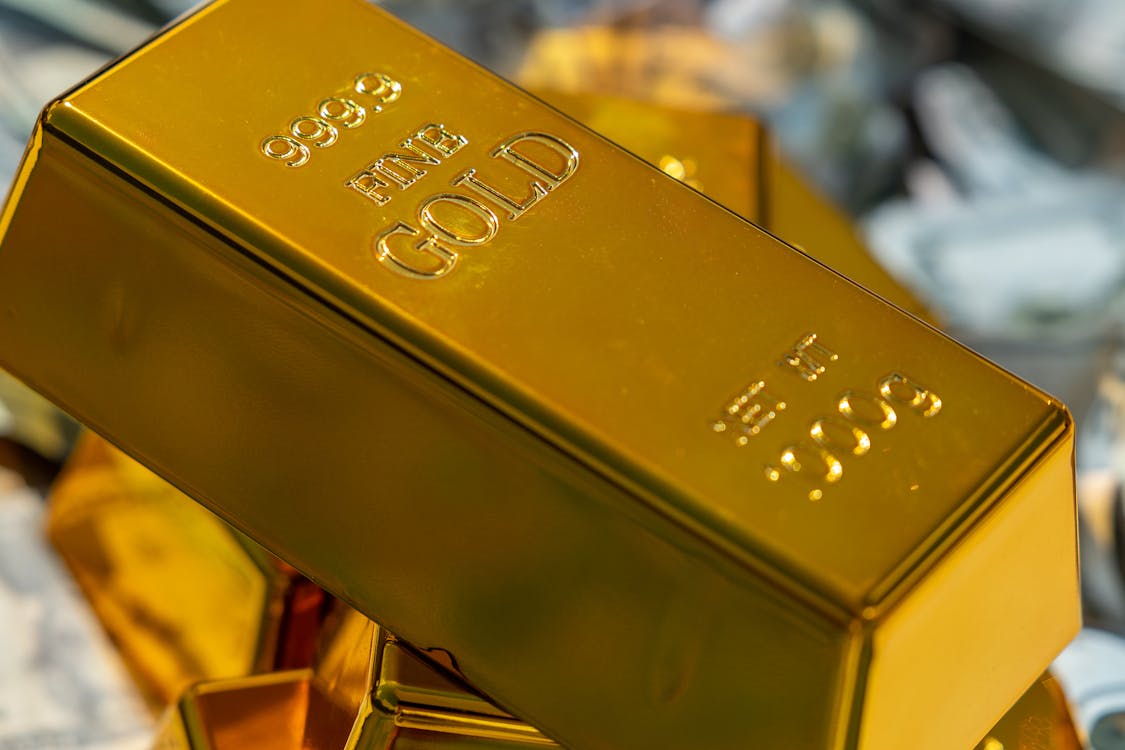
Authentic pieces often carry marks that indicate metal content or maker identity and these marks are a reliable first clue. Look for numbers like 999 or 916 on gold and 925 on silver since those are common purity signals in many markets.
Keep in mind that stamping alone is not proof of purity because marks can be added to fakes, so use them as one part of a wider checking routine. When buying older or foreign items, learn the symbols used by different countries and assay offices and match them to known references.
Weight And Density Checks
Precious metals have consistent density so a scale and simple math can reveal fraud if the weight does not match expected values. For coins and bars you can compare the measured mass with published standards, and deviations bigger than a small tolerance flag further testing.
Water displacement or specific gravity checks are cheap and effective in a basic home setup and they work well for solid pieces. Keep a record of common densities such as gold and silver so you can run quick comparisons and spot anomalies.
Visual Inspection Techniques
A careful eye often catches red flags before any tools are used, because surface detail and finish tell a story about production quality. Inspect edges, lettering, and seam lines for irregularities that suggest plating over a base metal or sloppy casting.
Look at the way light reflects from the metal and at tiny scratches that might reveal different layers beneath a top coat. If a piece looks too perfect or shows uneven tone across a small area, treat it with suspicion and test further.
Color And Surface Tone
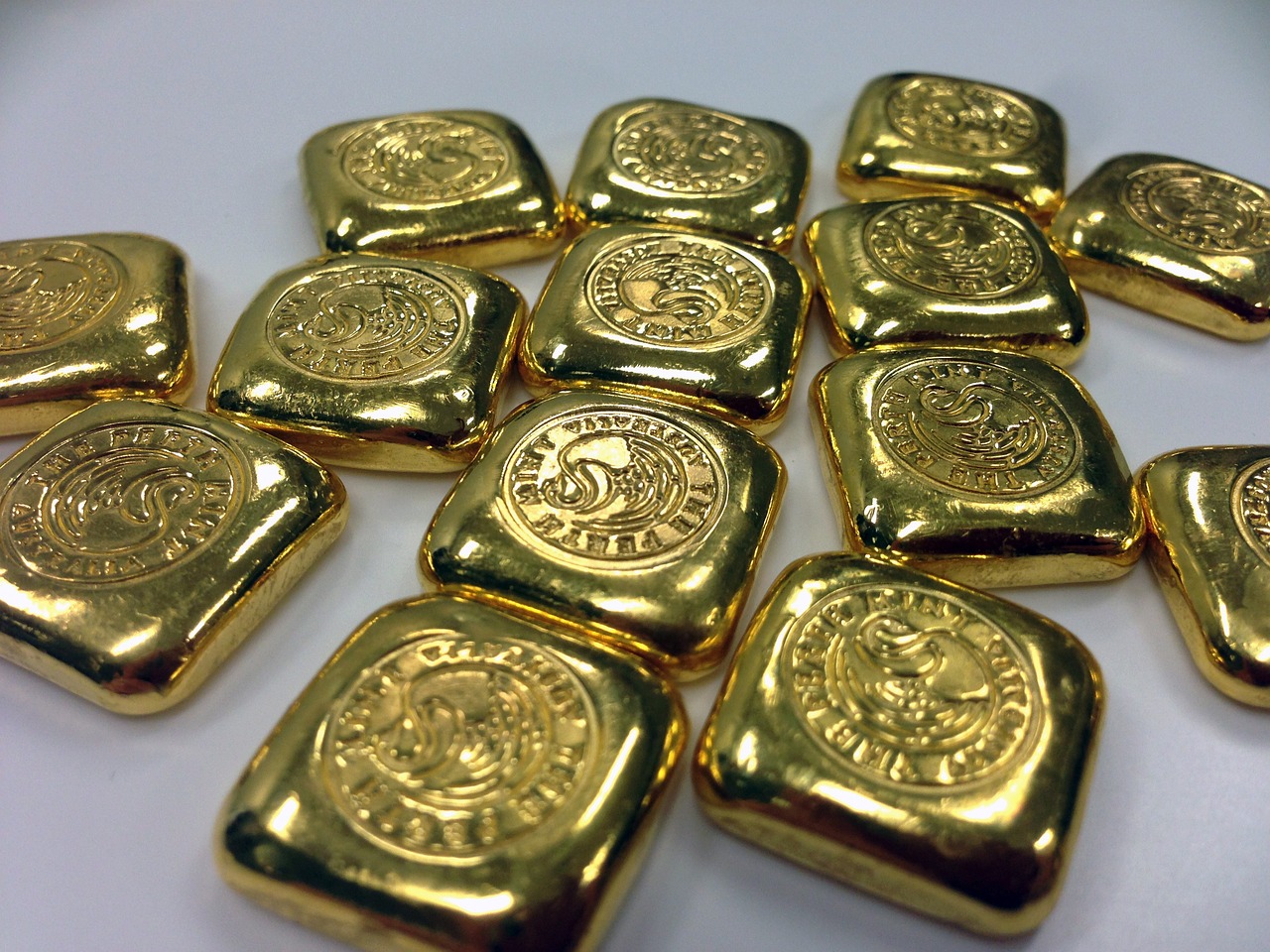
Pure metals have subtle but distinct hues and consistent tones that fakes struggle to mimic across whole surfaces. Gold ranges from pale to deep yellow depending on alloy content and karat, and silver has a cool sheen that does not shift to warm tones unless another metal is present.
Patina and wear patterns on older pieces should make sense according to age and use and not appear artificially induced. Use a loupe to examine for plating edges where the base metal might show through at rims or recesses.
Magnetism And Simple Tools
A magnet is one of the fastest low cost tools collectors keep on hand because common base metals are magnetic while most precious metals are not. If a piece sticks strongly to a magnet, it is likely not pure gold or silver, though some alloys complicate the picture and require follow up.
Small handheld XRF machines provide rapid, non destructive metal readouts in a shop or fair and they have become more accessible for serious buyers. Even basic tools like a jeweler’s loupe, scale, and magnet together will catch many schemes that rely on visual trickery.
Chemical And Lab Tests
Acid tests remain a practical method to check gold or silver content, with different solutions indicating approximate karat or purity via a visible reaction. While cheap and fast, acids can harm valuable items so apply them only to discreet areas or to test coupons when permitted.
Professional assays and fire assay lab work yield definitive results for high value purchases and are the route to trust when large sums are involved. Labs and certified testing services also produce documented reports that are useful when reselling or insuring items.
Buying From Reputable Sources
A seller’s reputation is a strong indicator of reliability because trust builds through consistent behavior and documented transactions. Established dealers, auction houses, and well known mints often publish provenance and offer guarantees that reduce your risk.
For beginners, following a clear guide to precious metals as investments can help outline steps from verification to storage, ensuring that early mistakes are minimized.
Online marketplaces require extra scrutiny so check user feedback, return policies, and any third party verification offered by the platform. When in doubt ask for paperwork such as assay certificates, invoices, or receipts that link the item to a known source.
Pricing And Market Signals
Price offers a quick sanity check because deeply discounted pieces that claim high purity should raise eyebrows rather than excitement. Watch spot prices and be aware of premiums charged for fabrication, brand, or rarity, and use that knowledge to judge whether a deal makes plain sense.
Sudden swings in availability or offers that pressure you to buy on the spot may be tactics to move questionable stock. Learn common price ranges for bullion coins bars and vintage items so you can spot outliers that deserve extra verification.
Handling And Storage Tips
How a dealer or seller handles their inventory tells you something about their attitude toward quality and care and this small detail is often overlooked. Items kept in sealed assays or in clean cases suggest professional handling while loose, scratched pieces may point to lower standards or worse.
When you acquire metals, store them in a dry secure place with proper documentation so provenance stays intact and the asset retains value. Treat metal like any valuable asset and the few simple routines you adopt will pay off over time.