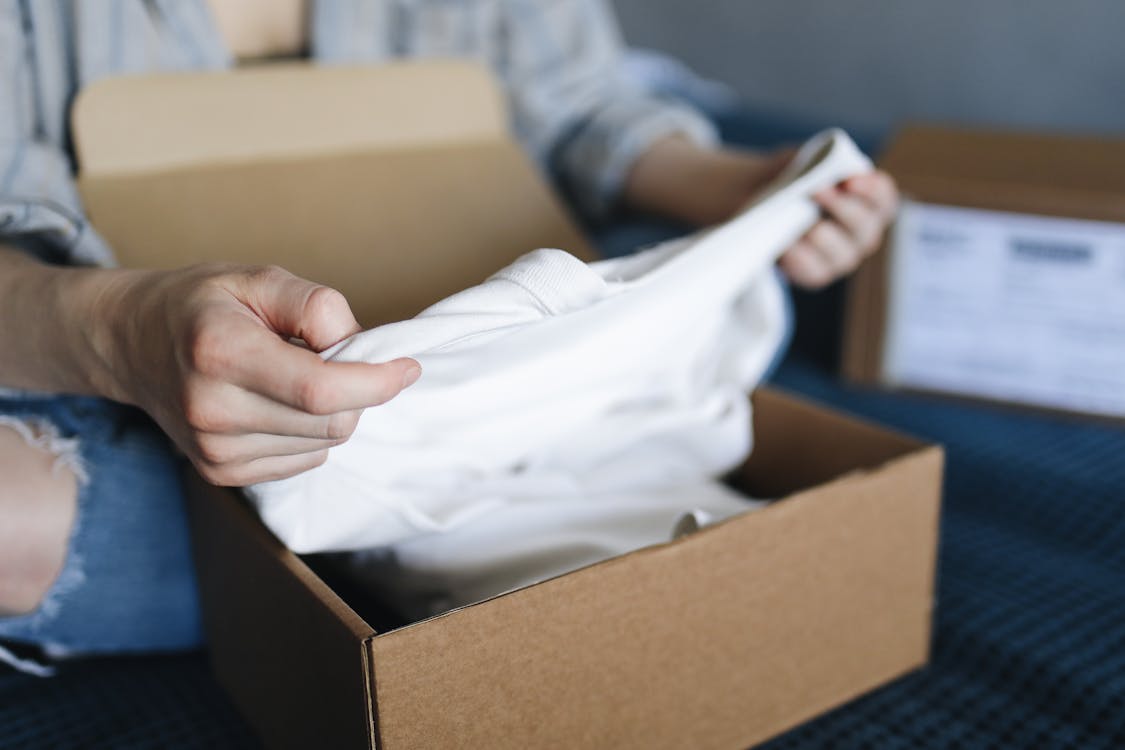

There was a time when the box a product came in was purely functional, something to be torn open and thrown away. E-commerce has changed that completely, turning the humble carton into one of the most valuable pieces of marketing real estate a brand owns.
For any business selling online, that shift has real implications.
From Shipping Container to Brand Moment
The rise of online shopping and direct-to-consumer brands has made the moment of opening a parcel a genuine touchpoint. With no physical store, the package is often the first tangible contact a customer has with a brand.
Market analysts describe folding cartons as performing double duty: protecting the product in transit while serving as a brand ambassador. Advances in digital printing have made vibrant, short-run customisation and premium finishes accessible even to smaller brands.
This is why unboxing became a content genre in its own right. A well-designed package gets photographed, shared and talked about, turning customers into marketers in a way a plain brown box never could.
The effect compounds. Memorable packaging drives social sharing, which drives awareness, which is essentially free marketing generated by the package itself.
Function Still Comes First

None of this works if the box fails at its primary job. A beautiful carton that arrives crushed, or that lets the product rattle and break, does more brand damage than plain packaging ever would.
The best packaging marries protection and presentation: structurally sound enough to survive the supply chain, and designed well enough to create a moment when it is opened. Fit-to-product designs reduce both damage and waste.
For businesses wanting both, custom folding cartons offer a practical middle ground, delivering a premium look and feel without the weight and cost of rigid boxes, while still protecting what is inside.
Designing the Experience
Smart brands now design the whole opening sequence: the outer box, the way it opens, what the customer sees first, and how the product is revealed. It is choreography as much as packaging.
That does not require an enormous budget. Clean design, good structural fit, and considered printing can create a strong impression at modest cost, especially with digital printing enabling smaller runs.
The key shift in mindset is to stop seeing packaging as a cost to minimise and start seeing it as a marketing channel to invest in, one that every single customer engages with directly.
In a world where the box may be the only physical storefront a brand has, getting it right is no longer optional. The package is doing the work a shopfront once did, and the brands that recognise that turn a shipping necessity into a competitive advantage.