
A reliable security camera gives peace of mind by doing what it promises when it matters most. Good systems are more than flashy specs on a box; they deliver steady performance in real life and hold up over time.
Practical features, smart software and thoughtful placement all work together to keep people and places safe.
Build Quality And Housing
A camera that lasts is built for the conditions where it will live, with materials that resist moisture, dust and physical shocks. Metal housings and well sealed casings help keep internal parts safe from wear and tear and from sudden temperature swings.
Robust mounting and a design that resists tampering make a big difference when the weather or vandals try to interfere. Look for clear specs about ratings for weather and impact so you know what the unit can handle.
Image Clarity And Resolution
Sharp images let you identify faces, license plates and other small details that matter in an incident. Higher pixel counts yield more detail but only if the lens and sensor quality match those numbers.
Compression methods and bitrate affect the final result, so right settings are as important as the camera s native resolution. A clear picture under different conditions reduces guesswork when reviewing footage.
Low Light Performance And Night Vision
Low light performance depends more on sensor quality and lens design than headline specifications.
Infrared night vision should provide enough illumination without washing out faces or flattening important details, which is why knowing how GuardHouse WatchEye Security Camera uses infrared night vision can be useful when comparing real nighttime performance rather than relying on marketing labels alone.
Accurate color handling and controlled noise reduction help keep footage usable during late hours, when lighting conditions are often less predictable.
Field Of View And Placement
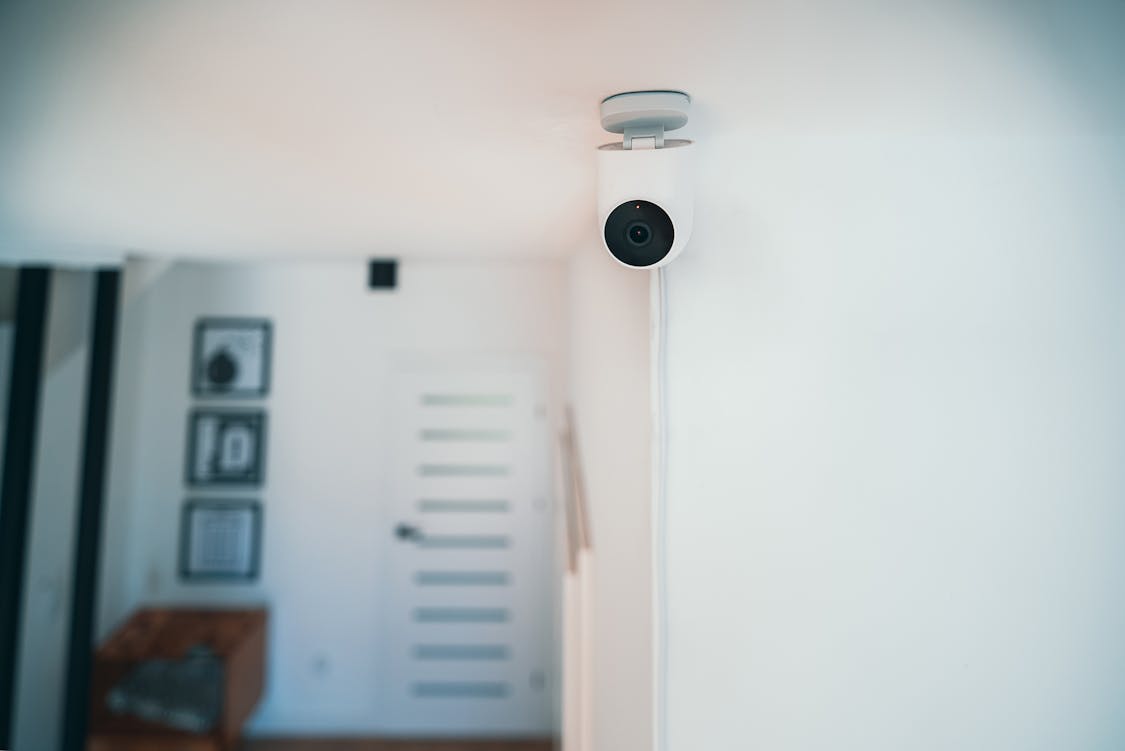
A wider field of view covers more area, but excessive width can shrink critical details at a distance. Choosing the right lens angle for the area avoids blind spots and minimizes the need for too many cameras.
Strategic placement eliminates glare from lights and reduces false triggers from irrelevant motion. Thinking about height and tilt up front saves time and yields more effective coverage.
Connectivity And Network Stability
A camera that drops offline is of limited use no matter how good the hardware is, so steady network behavior matters. Wired Ethernet offers steady throughput and power options, while wireless units add flexibility at the possible cost of interference.
Routers, switches and access points have to be configured to handle video traffic without choking other devices. Regular checks of signal strength and occasional firmware updates keep the network link healthy.
Power Options And Backup
Power reliability is the unsung hero of continuous surveillance, with mains power being common and solar or battery systems adding redundancy. A local battery backup can keep a camera running through brief outages, and a plan for longer loss of power should be part of the setup.
Systems that gracefully recover after an outage reduce gaps in recorded footage and avoid manual resets. Choosing power solutions that match the site s demands keeps cameras on when they are most needed.
Storage And Data Management
Where footage lives matters for access and for long term retention policies, so weigh local storage against cloud options. Edge storage on an SD card gives quick local access while cloud storage provides off site redundancy and easier remote review.
Manage retention by setting sensible retention periods so storage does not overflow and so that old footage is pruned on schedule. Secure storage practices and encrypted transfers protect recorded content from unauthorized hands.
Software And Intelligence
Good software ties the whole system together, turning raw video into actionable alerts without too many false alarms. Motion detection that understands size and pattern cuts down on trivial triggers from trees and small animals.
User friendly interfaces for playback, search and export keep everyday use efficient and less frustrating. Regular updates and transparent patching practices keep features current and risks lower.
Alerts And Notification Reliability
Alerts need to arrive fast and with clear context so the recipient can act without delay or confusion. Multi channel notifications that reach phones, email and paid monitoring centers create backup paths for urgent events.
Smart thresholds that reduce false positives keep people from ignoring real alarms after too many nuisance messages. Test routines help confirm that alert chains work when stakes are high.
Privacy And Security Measures
A secure camera protects both the physical place it watches and the data it produces from prying hands and bad actors. Strong passwords, unique device names and regular updates are basic habits that make unauthorized access far harder.
Encryption for stored files and for data in motion prevents casual interception of sensitive footage. Respect for legal and social norms about where and how cameras point helps avoid trouble in shared spaces.
Installation And Maintenance
Professional installation can speed up the setup and avoid pitfalls that lead to blind spots or poor wiring routes. Routine maintenance checks catch loose mounts, degrading seals and lens fouling before they undermine performance.
Cleaning, firmware checks and occasional retuning of motion zones keep a system responsive over months and years. A clear maintenance plan reduces surprises and extends useful life.
Warranty And Support
A sensible warranty gives buyers confidence that the maker stands behind its product and will repair or replace faulty units. Access to technical support with clear channels and helpful responses saves hours when something acts up.
Availability of spare parts and clear documentation helps with repairs and upgrades on site. Transparent return policies and service options simplify problem resolution when issues pop up.