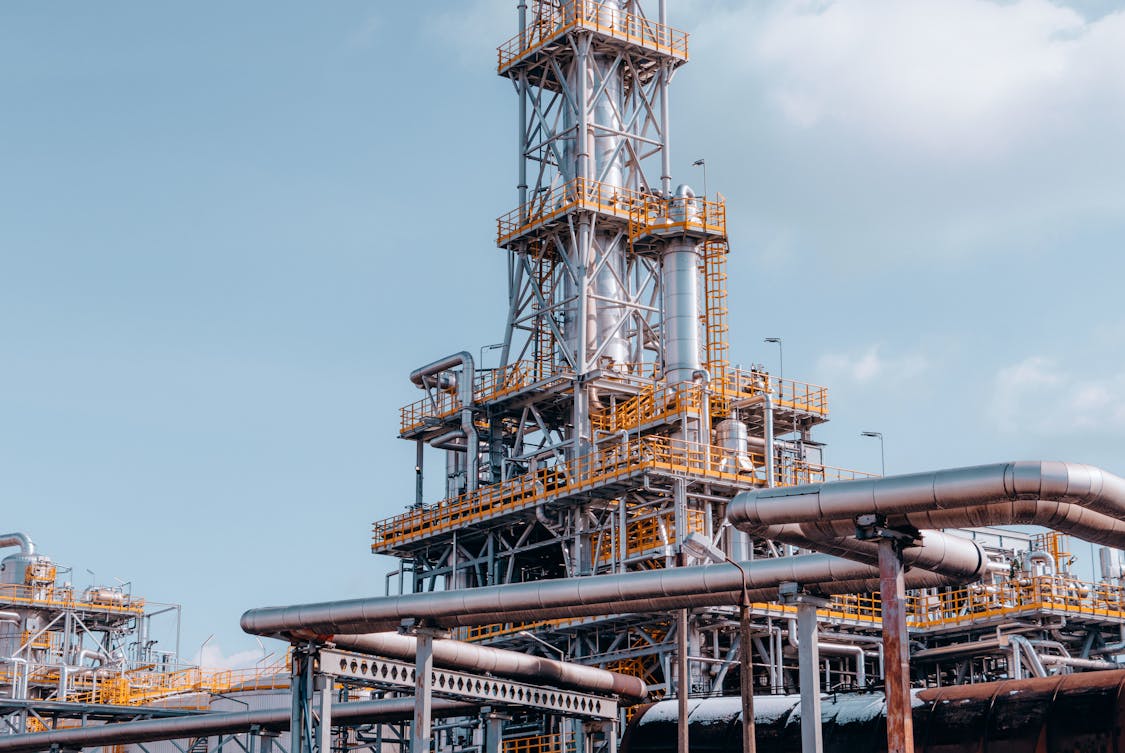

Pipes that carry fluids and gases in factories and plants must stand up to a lot of wear and tear and still keep going day after day.
Durability in steel pipes comes from a chain of choices that start with the metal itself and extend into how the pipe is made and cared for.
Material Composition Matters
The metal mix that forms a pipe is the first line of defense against failure and wear. Different grades of steel add elements such as chromium, molybdenum and nickel to change strength and resistance to corrosion.
Some alloys are chosen to resist acidic fluids while others perform better at high temperatures or under heavy pressure. Picking the right chemistry means the steel fits the job and the environment it will face.
Heat Treatment And Mechanical Strength
After the raw steel is cast, heat processes shape its internal grain and set its mechanical traits in ways that matter under stress. Annealing makes the metal softer and more workable while quenching and tempering produce higher strength and toughness for load bearing runs.
The combination of these steps influences yield strength and elongation which are practical measures of how the pipe will behave when bent or stressed. Proper control of temperature and timing is often the difference between a short lived part and one that lasts for years.
Corrosion Resistance And Protective Coatings
Corrosion eats at metal slowly but steadily and that can end a pipeline earlier than expected. Surface films such as zinc plating, epoxy coatings and polymer linings act as shields that prevent oxygen and contaminants from reacting with the steel.
In many cases the environment dictates the choice of shield for example a salty coastal air calls for one type and an industrial chemical line calls for another. When the coating is right and applied well the pipe spends its life doing what it should without constant patchwork.
Manufacturing Quality And Seam Integrity
How a pipe is formed matters almost as much as what it is made of and that is where welding and forming practices come into play. Seamless pipe drawn from a billet tends to have fewer weak spots but welded pipe can match performance when welds are clean and inspected.
Techniques such as cold drawing and precision rolling produce consistent wall thickness and fewer internal defects. The manufacturing line is where attention to detail pays off in the field when a pipe faces pressure or sudden stress.
Wall Thickness And Design Factors
A thicker wall may look like overkill but it directly reduces stress per unit area and lengthens service life under pressure. Engineers calculate required thickness based on internal pressure, external loads and allowance for corrosion loss over time.
Pipe geometry and support spacing also affect how loads are distributed and how vibrations travel along the run. Good design uses conservative margins to give a safety net against unforeseen events while keeping weight and cost in check.
In applications where load support is critical, using steel pipe piles ensures stability while maintaining longevity under heavy structural and environmental stresses.
Surface Finish And Internal Linings
A smooth surface slows down deposit buildup and reduces places where corrosion can start, while rough surfaces trap grit and micro organisms that accelerate wear. Internal linings using cement mortar, plastics or ceramic coatings create a barrier between the transported medium and the steel.
These linings also help reduce friction losses which can translate into lower energy use for pumping. Keeping the interior clean and intact thus saves money and extends the useful life of the pipeline.
Inspection Testing And Standards Compliance
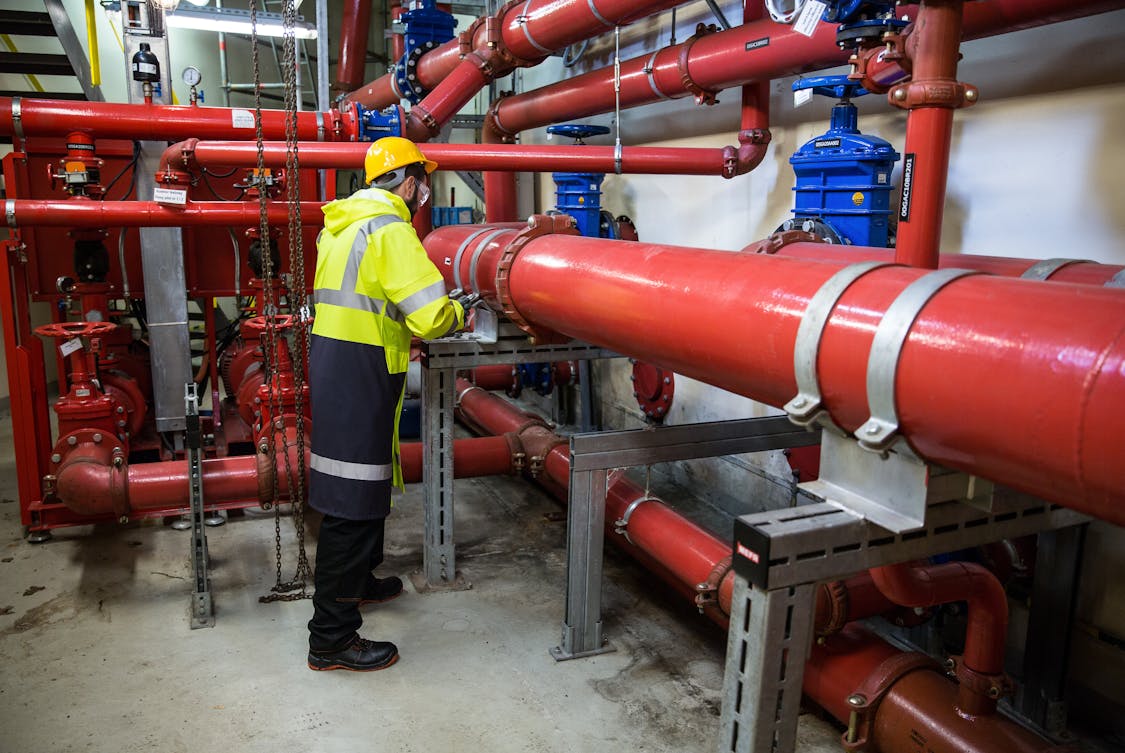
Pipes are put through an array of tests before they are installed and after they are in service to catch flaws early. Non destructive exams such as ultrasonic scans and radiographic imaging reveal hidden cracks and wall thinning without cutting the pipe apart.
Pressure testing under controlled conditions proves that a given segment can bear the loads it will meet on the job. Meeting recognized standards held by industry groups adds a layer of assurance that manufacturing and testing followed accepted practices.
Proper Installation And Maintenance Practices
A pipe that is perfect on paper can still fail if it is bent too sharply or supported poorly during installation, so handling counts for a lot. Joints must be aligned and tightened to match the pipe type so stress is not introduced at welds or fittings.
Routine maintenance that checks for leaks, measures thickness loss and keeps coatings intact lets small issues be dealt with before they turn into big repairs. Simple care and common sense on site often keep a system running longer than its rated life.
Environmental And Operational Conditions
The place where a pipe works shapes how long it will last and what kind of protection it needs to survive. Harsh chemical exposure, wide temperature swings and cycles of pressure create conditions that accelerate wear and require specific alloys or extra shielding.
Operating practices such as rapid pressure changes and poor fluid quality add fatigue that shortens life, while steady operation at designed parameters helps the pipe stay steady. Matching the material and maintenance plan to the daily reality of the line pays dividends over years of service.
Corrosion Monitoring And Predictive Maintenance
Active monitoring adds a layer of defense by turning a periodic check into continuous awareness and early warning of trouble spots. Sensors that measure wall loss and corrosion rates feed data that helps predict when a section will need attention before a failure occurs.
Moving from fixed interval repairs to condition based work reduces downtime and avoids costly emergency replacement. A small outlay on monitoring often keeps an entire plant humming without the sudden shock of an unexpected leak.