
In November 2024, something unusual was towed into Honokohau Small Boat Harbor on the Kona coast: a decommissioned offshore fish-farm structure, a teepee-shaped pipe ring that had spent more than a decade anchored in open water raising Hawaiian Kanpachi. It was due to be scrapped. But in its years underwater it had quietly grown into something nobody had planned, and a team of conservation divers showed up to harvest it before it was lost.
The result was one of the more remarkable coral salvage operations the Big Island has seen, and it is the kind of story that rarely reaches the people snorkeling a few miles away. It is worth telling, because it reveals how reef recovery in Hawaii actually works, day to day, far from any policy debate.
An Accidental Reef on a Fish Farm
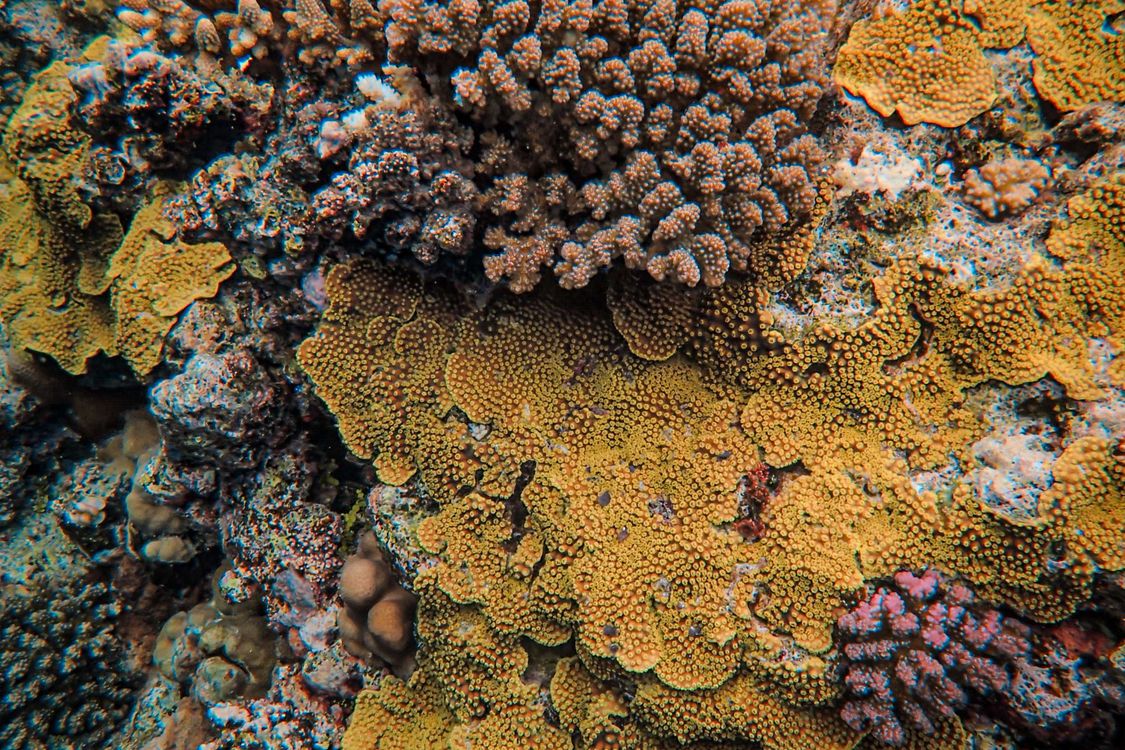
The pipe ring had been in the water since 2013. Over those years, with no human intention behind it, coral larvae drifting on the currents settled onto the structure and grew. By the time the pen was retired, it carried nearly eleven years’ worth of coral growth on a single decommissioned fish-farm ring, including hundreds of large, healthy, native coral heads. A state coral-restoration coordinator called it one of the largest mature colony collections he had heard of on Hawaiʻi Island.
That detail is what makes the salvage so valuable. Growing eleven years of coral deliberately, in a nursery, costs an enormous amount of time, effort, and money. Mature colonies are not something you can conjure on demand. Here was more than a decade of growth, fully formed, about to be hauled out and discarded. The divers from the state aquatic resources division, The Nature Conservancy, and Arizona State University recognized that throwing it away would waste something close to irreplaceable.
The operation itself was painstaking. Corals exposed to air for too long die, so anything above the waterline could not be saved. Everything below it was removed by hand with chisels and hammers over a three-day effort. The freed corals sank into the harbor, where divers collected them in milk crates and hauled them up. Large colonies went into water-filled coolers; smaller pieces were bubble-wrapped. It was slow, careful, physical work, the opposite of anything dramatic.
Two Paths Back to the Reef
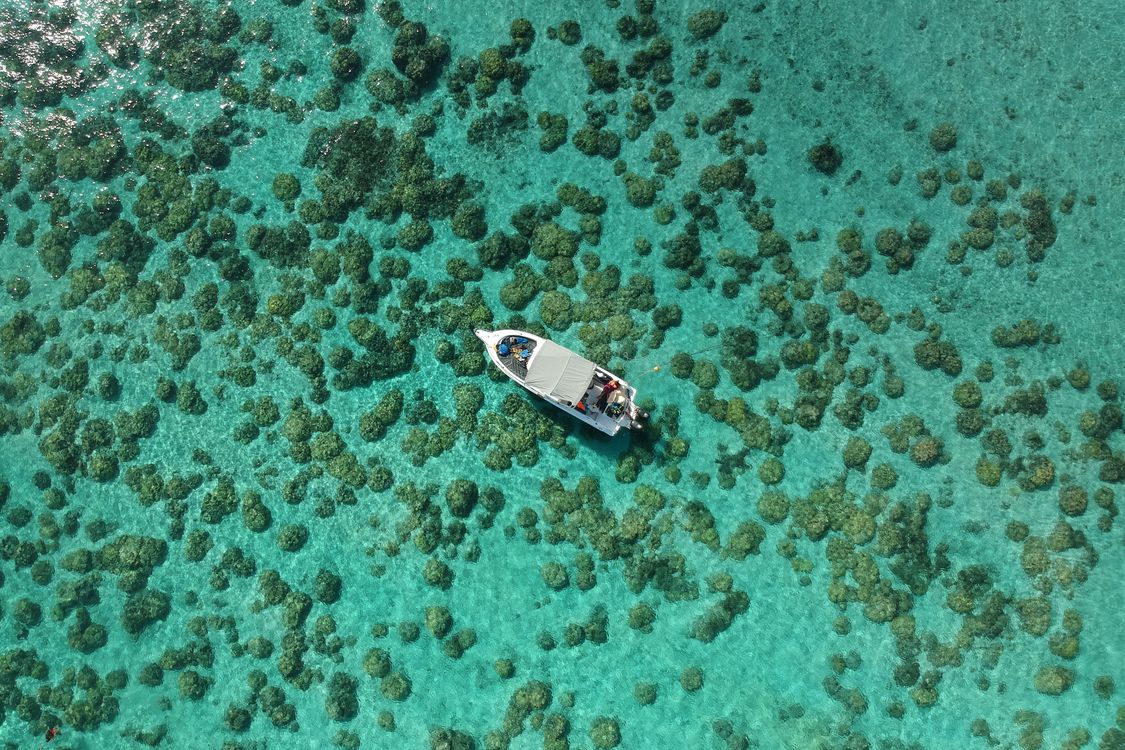
The rescued corals took two routes. The larger colonies were carried back out by boat and lowered to the ocean floor near the original fish-pen site, then affixed to existing reef structure with a specialized marine epoxy. That is the fast track: get the mature coral back onto a real reef where it can keep doing what it was already doing.
The smaller, more fragile pieces went somewhere new. They were taken to a land-based coral nursery that had opened only months earlier, in May 2024, and which is described as the first large land-based coral nursery on Hawaiʻi Island and possibly the biggest of its type in the Pacific. The nursery functions as an intensive care unit, giving stressed or vulnerable corals controlled conditions to stabilize and grow, and giving researchers a place to study what makes corals resilient in the first place.
That pairing, immediate reattachment for the strong colonies and a nursery for the delicate ones, is a snapshot of how modern reef restoration is practiced. It is not a single heroic act. It is triage, logistics, and follow-through, repeated whenever an opportunity or an emergency presents itself.
Why This Matters to Anyone Who Gets in the Water
For visitors, the Honokohau salvage reframes the harbor that operators like Manta Ray Night Snorkel Kona and most other Kona snorkel and dive trips launch from. The same working harbor where you board a boat is a node in an active coral-restoration network, where partners build capacity not just for planned projects but for rapid emergency response when storms, swells, or salvage windows demand it.
It also reframes the stakes of the reef you are about to visit. The effort and expense involved in saving eleven years of accidental coral growth underscore how slowly the real thing accumulates and how much is lost when a colony breaks or dies. A reef is not a renewable backdrop that regrows over a vacation season. It is the product of years, sometimes decades, and the people doing this work treat every mature colony as precious because it genuinely is.
There is a quiet optimism in the story too. The scientists involved talked about responding to a problem in a positive way, about saving corals that would otherwise have been thrown out, about a monumental impact from a single salvage. That is a different register from the usual reef coverage, which tends toward loss and alarm. Both are true at once. Reefs are under serious pressure, and dedicated teams on the Big Island are pulling off genuine wins, sometimes by recognizing the value in a piece of industrial equipment that everyone else was ready to scrap.
The next time a Kona boat motors out of Honokohau, it is worth remembering what came into that harbor, and where it went afterward. The reef you snorkel and the restoration that sustains it are closer neighbors than they look.